
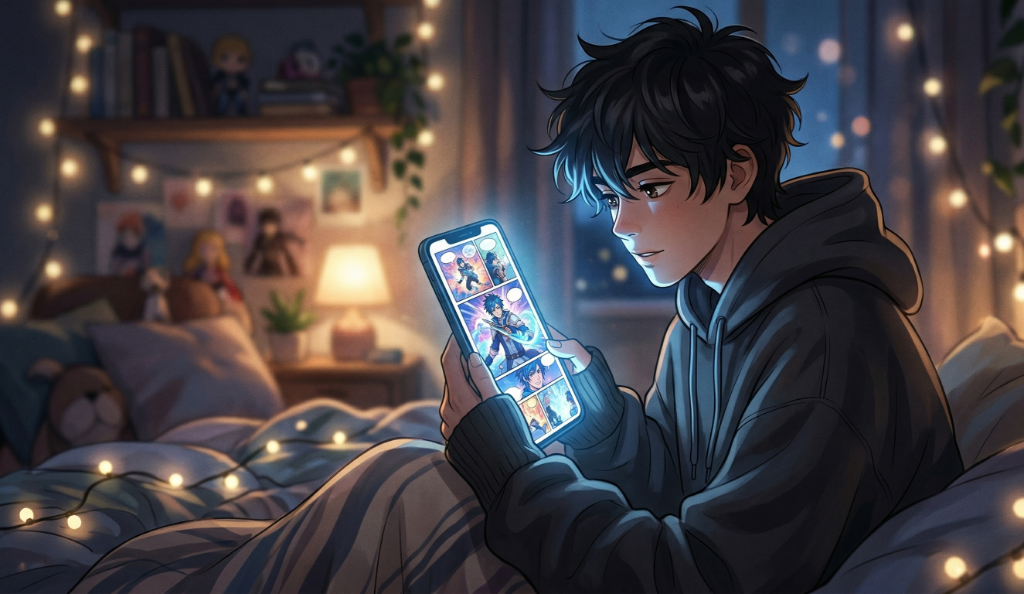
The Rise of Manhwa & Webtoons: How South Korea Reimagined Comics for the Smartphone Era
Move over, graphic novel. A new contender has conquered the digital world, and it was engineered specifically for the device in your hand: the smartphone.
The explosion of Webtoons — digital comics optimized for vertical scrolling — is not just a trend; it is a profound industry revolution birthed in South Korea. While traditional Western publishers were debating the merits of digital single issues versus print, and Japan's manga industry was wrestling with digital piracy, Korean creators and innovators completely reimagined how stories could be told, consumed, and monetized.
From Manhwa to Webtoons: A Strategic Pivot
The story begins with Manhwa (만화), the general Korean term for print comics. Historically, the Korean comic market was robust but volatile. It faced strict government censorship from the 1960s to the 1980s, which stifled creativity, followed by a sudden market collapse in the late 1990s due to an economic crisis and the rise of digital piracy.
While this collapse was devastating, it also cleared the path for a technological "reset."
By the early 2000s, Korea had become a global leader in high-speed broadband internet penetration. Portals like Naver (Korea's equivalent of Google) and Daum recognized that as users moved online, they needed content. In 2003, Daum launched Daum Webtoon, and Naver followed with Naver Webtoon in 2004. These platforms didn't just digitize old print manhwa; they created an entirely new format optimized for the screens their users were already looking at.
The Vertical Scroll: The Smartphone Masterstroke
The defining feature of a webtoon — the vertical scroll — was a stroke of narrative genius.
Traditional comics (both Western and Japanese Manga) rely on a page layout: the reader scans from left-to-right (or right-to-left) and moves their eye down. On a 6-inch phone screen, this requires constant, fussy zooming and pinching to read the dialogue.
Webtoons solved this by utilizing infinite, vertical canvas.
This format revolutionized narrative pacing. Creators, or "auteurs" (many of whom are solo operators), discovered they could control the timing of the story just as much as the content. A dramatic moment or a horrific jump-scare could be perfectly executed by including a long section of black "gutter" space that the reader must scroll through before the next panel is revealed, building unbearable suspense. Sound effects, animated GIFs, and even musical soundtracks could be easily embedded, turning reading into a rich, multimedia experience.
A New Breed of Story: Relatable and Global
Because webtoons were born outside the traditional publishing pipeline, they broke free from standard genre constraints. While action, fantasy, and superhero comics dominated the West, webtoons leaned into a new style: intense, highly emotional, and relatable dramas.
Key webtoon genres include:
- Romance and "Otome" Isekai: Stories where the protagonist is reborn into a fictional world (e.g., The Remarried Empress, Lore Olympus).
- Thriller / Psychological: Often exploring social anxiety, school bullying, and complex relationships (e.g., True Beauty, Sweet Home).
- Modern-Day High-Fantasy: Blending video game mechanics with contemporary settings (e.g., Solo Leveling, Tower of God).
This diversity attracted a massive female readership — a demographic that traditional comics often struggled to capture — expanding the potential global audience significantly.
The Solo Auteur Meets AI
The beauty of the webtoon revolution is its accessibility. Most webtoon creators start as solo amateurs, drawing and writing everything themselves. The tools they use have evolved too: from pen-and-paper to digital tablets, and now, to AI.
Just as the vertical scroll prioritized a single creator's vision over a full publishing team, our AI tools are designed to help the solo auteur thrive. If you can write the screenplay, we can help with the panels, whether you need a moody Korean-noir background or dynamic, action-oriented character art.
Ready to break the barrier? Create your first AI-powered comic panel here!
Sources: Apolline · Wikipedia — Manhwa · OECD — Korea · Wikipedia — Webtoon · Comics Grid
Plus d'articles
Voir tous les articles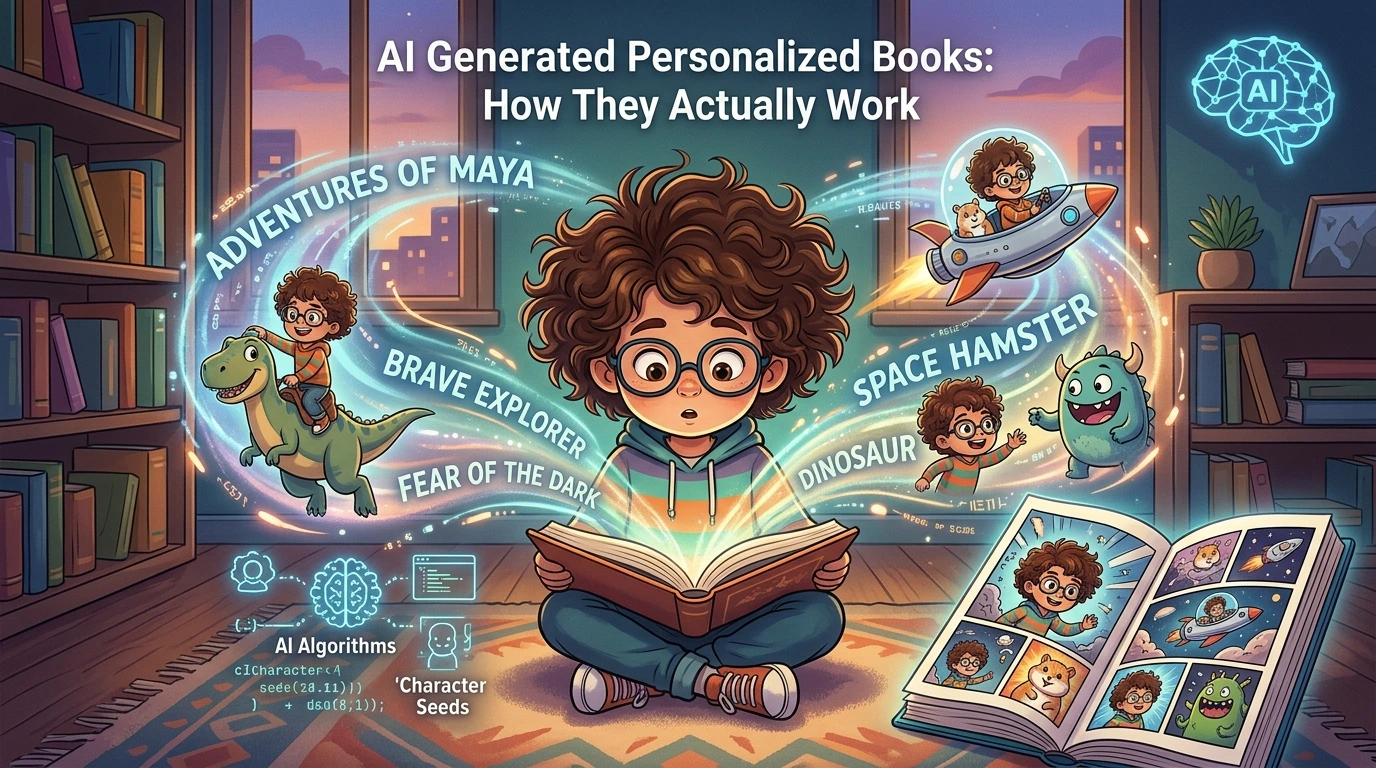
AI Generated Personalized Books: How They Actually Work (and the Shortcut to Yours)
AI can now write and illustrate a one-of-a-kind book starring your kid — no more swapping a name into the same old story. Here's how AI generated personalized books actually work, the honest catches of making one yourself, and the shortcut to a finished comic without the weekend of wrangling.
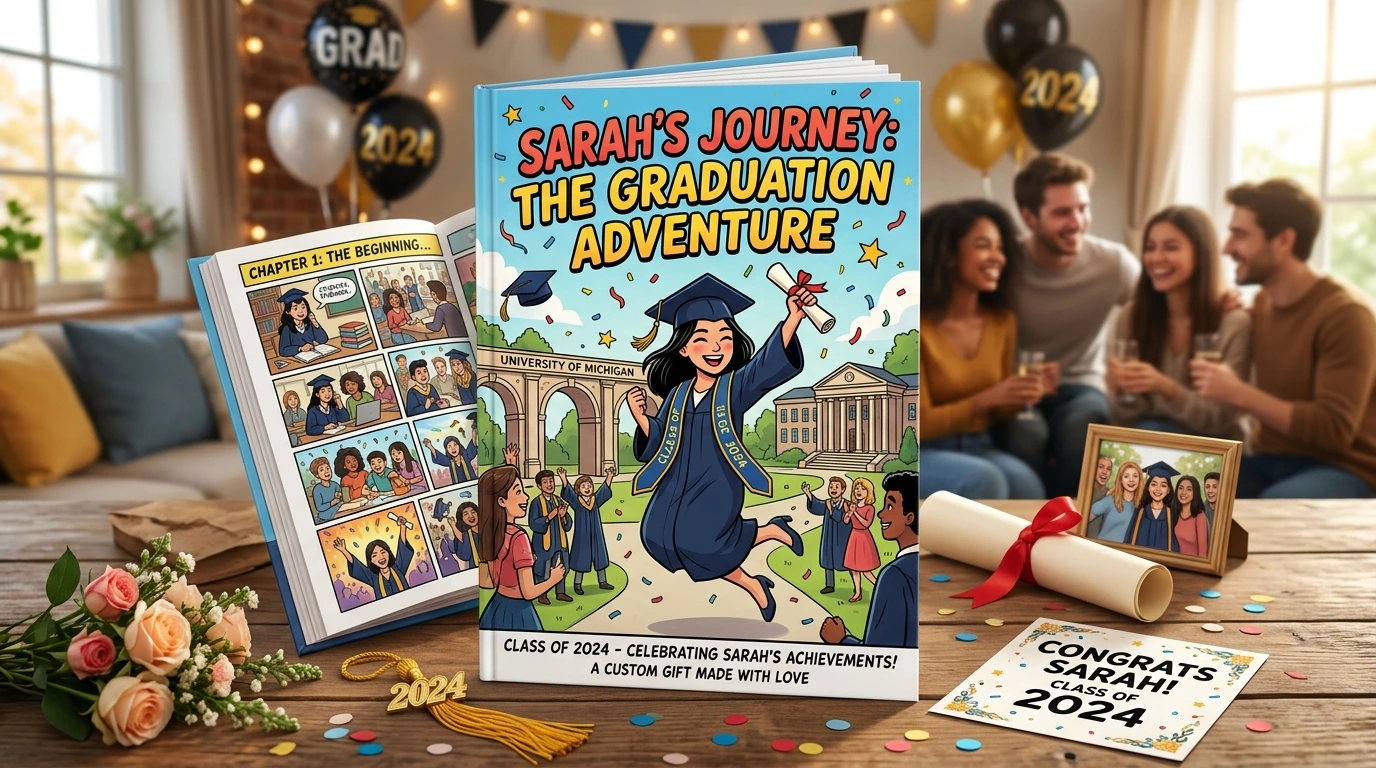
Unique Graduation Gifts: The Ones They Actually Keep (and the One Most People Miss)
Cash gets spent, the engraved watch gets shelved, and three relatives already bought the same earbuds. Discover the unique graduation gifts a grad actually keeps — and why a custom comic book that makes them the hero of their own story beats the entire gift table.

When Do Kids Learn to Read? The Honest Timeline (and the Trick Most Parents Miss)
Worried your kid is 'behind'? Here's the honest answer to when do kids learn to read — the real milestones from ages 4 to 7, what actually speeds things up, and why comic books and custom books for kids are the reading on-ramp most parents underrate.

Unique Wedding Present for a Couple: The One Gift They Can't Regift
The gift table is a sea of identical boxes and the registry is already picked clean. Discover the unique wedding present for a couple that can’t be regifted, returned, or duplicated by three other guests — and why the best personalized wedding gifts tell the couple’s own story.